

Fear is one of the most universal human emotions, yet describing it in words can sometimes feel difficult. This is where similes become incredibly useful.
Similes are a key part of figurative language, helping writers compare one thing to another using “like” or “as” to create clear and imaginative pictures. They make emotions such as fear easier to understand, more relatable, and far more engaging for readers.
When you use the best similes for being scared, your writing gains depth, emotion, and vivid imagery that resonates instantly.
These comparisons are not just creative tools—they symbolize human vulnerability, survival instincts, and emotional intensity.
Just like nature reflects strength, growth, and resilience, similes for fear mirror the raw and powerful reactions we experience in frightening moments.
Whether you’re writing a story, poem, or essay, mastering these similes can elevate your expression to a whole new level.
What Is a Simile?
A simile is a figure of speech that compares two different things using the words “like” or “as” to create a vivid image.
Example: He was as pale as a ghost.
This simple comparison helps the reader instantly visualize fear or shock.
1. As scared as a mouse in a room full of cats
Meaning: Extremely frightened and vulnerable.
Usage Insight: Perfect for situations where someone feels trapped or overpowered.
Examples:
- She stood in the spotlight, as scared as a mouse in a room full of cats.
- During the interview, he felt as scared as a mouse in a room full of cats.
- The child looked around, as scared as a mouse in a room full of cats.
- Alone in the dark alley, she was as scared as a mouse in a room full of cats.
- He froze, as scared as a mouse in a room full of cats.
2. Like a leaf trembling in the wind
Meaning: Shaking uncontrollably due to fear.
Usage Insight: Great for describing physical reactions to fear.
Examples:
- His hands shook like a leaf trembling in the wind.
- She stood there, like a leaf trembling in the wind.
- The boy’s voice was like a leaf trembling in the wind.
- He waited outside, like a leaf trembling in the wind.
- She felt like a leaf trembling in the wind during the storm.
3. As scared as a rabbit caught in headlights
Meaning: Frozen with fear and unable to react.
Usage Insight: Ideal for sudden fear or shock.
Examples:
- He stared, as scared as a rabbit caught in headlights.
- She froze, as scared as a rabbit caught in headlights.
- The thief stood still, as scared as a rabbit caught in headlights.
- I felt as scared as a rabbit caught in headlights.
- The child looked up, as scared as a rabbit caught in headlights.
4. Like a shadow chased by darkness
Meaning: Overwhelmed by fear with no escape.
Usage Insight: Works well in poetic or emotional writing.
Examples:
- She ran, like a shadow chased by darkness.
- He felt like a shadow chased by darkness.
- The night closed in, like a shadow chased by darkness.
- I moved quietly, like a shadow chased by darkness.
- Her thoughts were like a shadow chased by darkness.
5. As scared as a bird in a storm
Meaning: Helpless and panicked.
Usage Insight: Best for chaotic or overwhelming situations.
Examples:
- He felt as scared as a bird in a storm.
- She looked around, as scared as a bird in a storm.
- The child cried, as scared as a bird in a storm.
- They waited, as scared as a bird in a storm.
- I stood there, as scared as a bird in a storm.
6. Like ice running through the veins
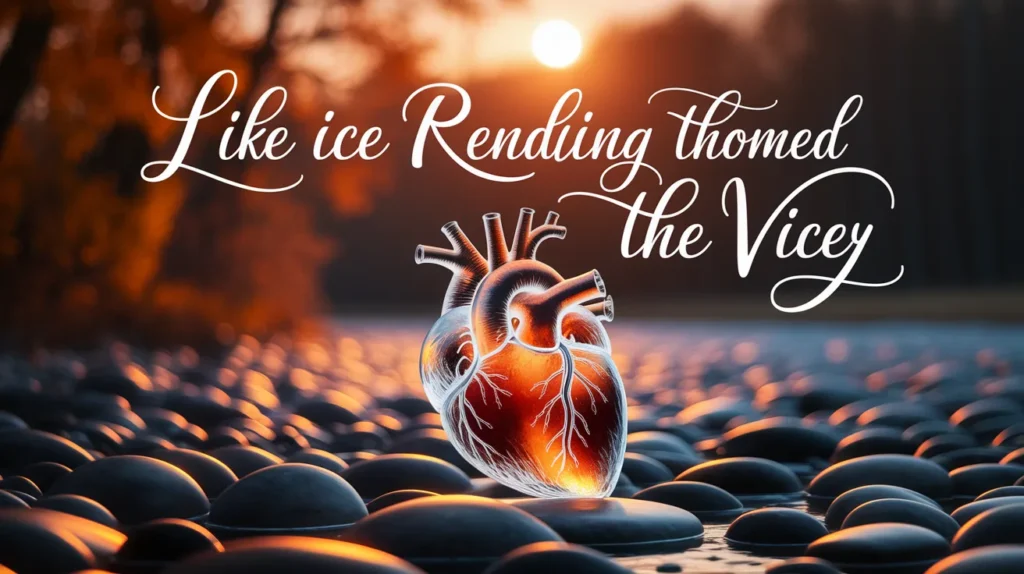
Meaning: Sudden chilling fear.
Usage Insight: Effective for dramatic moments.
Examples:
- Fear spread like ice running through his veins.
- She felt like ice running through her veins.
- The news hit him like ice running through his veins.
- I froze, like ice running through my veins.
- It was like ice running through her veins.
7. As scared as a kitten in a thunderstorm
Meaning: Small, helpless, and frightened.
Usage Insight: Good for gentle or emotional tones.
Examples:
- She curled up, as scared as a kitten in a thunderstorm.
- He felt as scared as a kitten in a thunderstorm.
- The boy cried, as scared as a kitten in a thunderstorm.
- I was as scared as a kitten in a thunderstorm.
- She hid, as scared as a kitten in a thunderstorm.
8. Like a heart pounding in a drum
Meaning: Rapid heartbeat due to fear.
Usage Insight: Useful for action scenes.
Examples:
- His chest felt like a heart pounding in a drum.
- I stood there, like a heart pounding in a drum.
- She waited, like a heart pounding in a drum.
- He ran, like a heart pounding in a drum.
- The silence felt like a heart pounding in a drum.
9. As scared as a deer hearing a twig snap
Meaning: Alert and instantly fearful.
Usage Insight: Great for suspense.
Examples:
- She turned, as scared as a deer hearing a twig snap.
- He froze, as scared as a deer hearing a twig snap.
- I felt as scared as a deer hearing a twig snap.
- The dog stood still, as scared as a deer hearing a twig snap.
- He listened, as scared as a deer hearing a twig snap.
10. Like a candle flickering in the wind
Meaning: Weak and unstable due to fear.
Usage Insight: Poetic and emotional writing.
Examples:
- Her voice was like a candle flickering in the wind.
- He stood there, like a candle flickering in the wind.
- I felt like a candle flickering in the wind.
- The moment felt like a candle flickering in the wind.
- She whispered, like a candle flickering in the wind.
11. As scared as a fish out of water
Meaning: Feeling uncomfortable, exposed, and unable to cope.
Usage Insight: Best used when someone is in an unfamiliar or overwhelming situation.
Examples:
- In the new city, she felt as scared as a fish out of water.
- He looked around the crowded room, as scared as a fish out of water.
- Without his friends, he was as scared as a fish out of water.
- I felt as scared as a fish out of water during my first speech.
- She stood alone, as scared as a fish out of water.
12. Like footsteps echoing in an empty hall
Meaning: Fear that feels lonely and haunting.
Usage Insight: Perfect for eerie, quiet, or suspenseful settings.
Examples:
- His fear lingered like footsteps echoing in an empty hall.
- The silence felt like footsteps echoing in an empty hall.
- She walked slowly, like footsteps echoing in an empty hall.
- The memory haunted him like footsteps echoing in an empty hall.
- I felt uneasy, like footsteps echoing in an empty hall.
13. As scared as a child lost in the woods
Meaning: Deep fear combined with confusion and helplessness.
Usage Insight: Works well for emotional or vulnerable moments.
Examples:
- She cried, as scared as a child lost in the woods.
- He looked around, as scared as a child lost in the woods.
- I felt as scared as a child lost in the woods that night.
- The boy wandered, as scared as a child lost in the woods.
- Alone and unsure, she was as scared as a child lost in the woods.
14. Like thunder rolling through the chest
Meaning: Fear that feels powerful and overwhelming inside.
Usage Insight: Great for intense emotional or physical reactions.
Examples:
- His fear felt like thunder rolling through the chest.
- My heart pounded like thunder rolling through the chest.
- She froze, like thunder rolling through the chest.
- The moment hit him like thunder rolling through the chest.
- I stood still, like thunder rolling through the chest.
15. As scared as a prisoner awaiting judgment
Meaning: Fear mixed with anxiety about an uncertain outcome.
Usage Insight: Ideal for tense, high-stakes situations.
Examples:
- He waited, as scared as a prisoner awaiting judgment.
- She sat quietly, as scared as a prisoner awaiting judgment.
- I felt as scared as a prisoner awaiting judgment before the results.
- The room was silent, and he was as scared as a prisoner awaiting judgment.
- They stood there, as scared as a prisoner awaiting judgment.
16. Like eyes wide in the dark

Meaning: Alert, anxious, and afraid of the unknown.
Usage Insight: Useful for suspenseful or mysterious scenes.
Examples:
- She stared ahead, like eyes wide in the dark.
- I felt like eyes wide in the dark walking alone.
- He listened carefully, like eyes wide in the dark.
- The moment stretched, like eyes wide in the dark.
- She waited, like eyes wide in the dark.
17. As scared as a soldier before battle
Meaning: Fear mixed with anticipation and tension.
Usage Insight: Best for moments before a major event or challenge.
Examples:
- He stood there, as scared as a soldier before battle.
- I felt as scared as a soldier before battle before my exam.
- She waited backstage, as scared as a soldier before battle.
- The team looked tense, as scared as a soldier before battle.
- He took a deep breath, as scared as a soldier before battle.
18. Like whispers in the night
Meaning: A quiet, creeping fear that lingers.
Usage Insight: Ideal for subtle, psychological fear.
Examples:
- Her fear crept in like whispers in the night.
- The sound felt like whispers in the night.
- I lay awake, like whispers in the night filling my thoughts.
- He felt uneasy, like whispers in the night.
- The silence spoke like whispers in the night.
19. As scared as a lone traveler in a desert
Meaning: Isolated fear with no sense of safety.
Usage Insight: Works well for loneliness and vulnerability.
Examples:
- She felt as scared as a lone traveler in a desert.
- He walked on, as scared as a lone traveler in a desert.
- I stood there, as scared as a lone traveler in a desert.
- The emptiness made her feel as scared as a lone traveler in a desert.
- He waited, as scared as a lone traveler in a desert.
20. Like a storm building inside
Meaning: Growing fear that becomes overwhelming.
Usage Insight: Perfect for internal emotional tension.
Examples:
- His fear rose like a storm building inside.
- I felt panic like a storm building inside.
- She stood there, like a storm building inside.
- The tension grew like a storm building inside.
- He trembled, like a storm building inside.
21. As scared as glass about to shatter
Meaning: Fragile and on the verge of breaking due to fear.
Usage Insight: Great for emotional vulnerability.
Examples:
- She felt as scared as glass about to shatter.
- His voice sounded as scared as glass about to shatter.
- I stood there, as scared as glass about to shatter.
- The moment made her as scared as glass about to shatter.
- He looked fragile, as scared as glass about to shatter.
22. Like silence before a scream
Meaning: Tense, anticipatory fear.
Usage Insight: Ideal for suspenseful buildup.
Examples:
- The room felt like silence before a scream.
- I waited, like silence before a scream.
- She stood frozen, like silence before a scream.
- The moment stretched, like silence before a scream.
- He held his breath, like silence before a scream.
23. As scared as a boat in rough seas
Meaning: Overwhelmed and unstable due to fear.
Usage Insight: Good for chaotic or uncontrollable situations.
Examples:
- He felt as scared as a boat in rough seas.
- She stood there, as scared as a boat in rough seas.
- I was as scared as a boat in rough seas during the storm.
- The chaos made him as scared as a boat in rough seas.
- They looked around, as scared as a boat in rough seas.
24. Like breath caught in the throat
Meaning: Sudden fear causing tension and stillness.
Usage Insight: Perfect for shock or surprise fear.
Examples:
- His fear felt like breath caught in the throat.
- I froze, like breath caught in the throat.
- She stood still, like breath caught in the throat.
- The moment hit me like breath caught in the throat.
- He waited, like breath caught in the throat.
25. As scared as a shadow at midnight
Meaning: Deep, eerie fear connected to darkness.
Usage Insight: Works well in horror or night scenes.
Examples:
- She felt as scared as a shadow at midnight.
- He walked slowly, as scared as a shadow at midnight.
- I stood there, as scared as a shadow at midnight.
- The silence made her as scared as a shadow at midnight.
- He looked around, as scared as a shadow at midnight.
26. Like lightning striking the mind
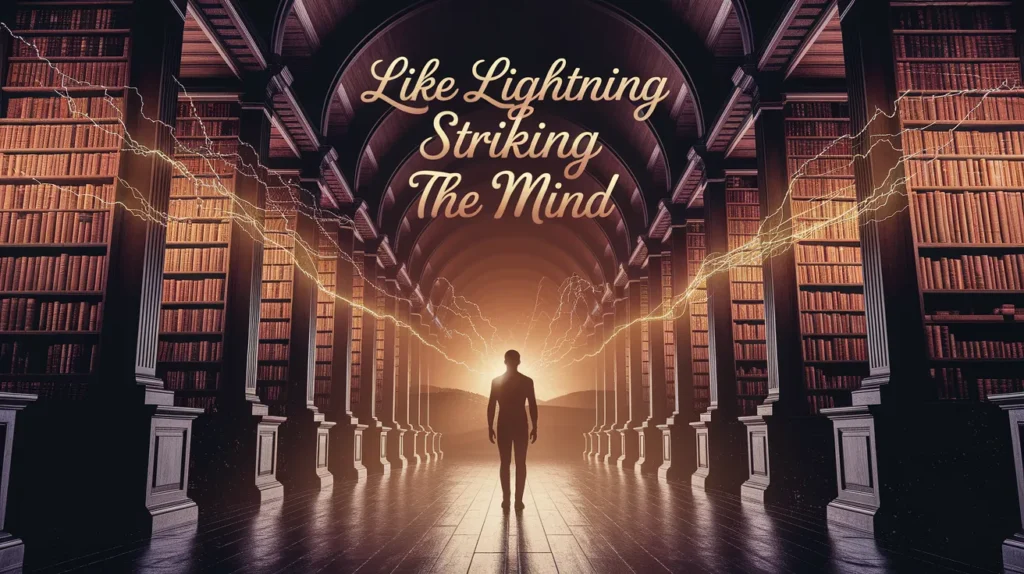
Meaning: Sudden, shocking fear.
Usage Insight: Ideal for unexpected events.
Examples:
- The fear hit him like lightning striking the mind.
- I felt panic like lightning striking the mind.
- She froze, like lightning striking the mind.
- The realization came like lightning striking the mind.
- He reacted, like lightning striking the mind.
27. As scared as a trapped bird
Meaning: Desperate and panicked with no escape.
Usage Insight: Great for intense fear and confinement.
Examples:
- She struggled, as scared as a trapped bird.
- He felt as scared as a trapped bird.
- I stood there, as scared as a trapped bird.
- The child cried, as scared as a trapped bird.
- He looked around, as scared as a trapped bird.
28. Like a door creaking open slowly
Meaning: Slow-building fear filled with suspense.
Usage Insight: Perfect for horror or suspense writing.
Examples:
- The fear grew like a door creaking open slowly.
- I felt uneasy, like a door creaking open slowly.
- She waited, like a door creaking open slowly.
- The moment stretched, like a door creaking open slowly.
- He stood there, like a door creaking open slowly.
29. As scared as standing on the edge of a cliff
Meaning: Fear of danger and uncertainty.
Usage Insight: Useful for risky or life-changing moments.
Examples:
- He felt as scared as standing on the edge of a cliff.
- I was as scared as standing on the edge of a cliff before speaking.
- She stood there, as scared as standing on the edge of a cliff.
- The decision made him as scared as standing on the edge of a cliff.
- They paused, as scared as standing on the edge of a cliff.
30. Like darkness swallowing the light
Meaning: Fear that completely takes over.
Usage Insight: Strong, poetic ending for intense fear.
Examples:
- His fear spread like darkness swallowing the light.
- I felt panic like darkness swallowing the light.
- She stood still, like darkness swallowing the light.
- The moment felt like darkness swallowing the light.
- He froze, like darkness swallowing the light.
How to Use Similes Effectively in Writing
Using similes well can transform ordinary writing into something memorable and powerful. Here are some practical tips:
- Be specific: Choose similes that match the exact emotion or situation.
- Avoid clichés: Try to create fresh comparisons instead of overused ones.
- Match tone: Use softer similes for emotional scenes and stronger ones for intense moments.
- Use sparingly: Too many similes can overwhelm the reader.
- Adapt for form:
- Poetry: Focus on rhythm and imagery
- Stories: Build character emotions
- Essays: Add clarity and engagement
- Songs: Enhance emotional resonance
FAQs About Similes for Being Scared
1. What are the best similes for being scared? Some of the best include “as scared as a mouse in a room full of cats” and “like a leaf trembling in the wind” because they clearly show fear.
2. What is the difference between a simile and a metaphor? A simile uses “like” or “as,” while a metaphor directly states a comparison without those words.
3. Why are similes important in writing? They make descriptions more vivid, emotional, and easier to understand.
4. Can similes be used in academic writing? Yes, but they should be used carefully to clarify ideas rather than decorate unnecessarily.
5. How can I create my own similes? Think of a feeling (fear) and compare it to something visual, emotional, or from nature that reflects it.
Conclusion
The best similes for being scared bring language to life by transforming simple descriptions into vivid emotional experiences.
They help readers not just understand fear, but actually feel it through powerful imagery and relatable comparisons.
Whether drawn from nature, daily life, or imagination, these similes add clarity, depth, and creativity to your writing.
By mastering them, you can express fear with precision, beauty, and impact—making your words more memorable and meaningful every time.