
Anger is one of the strongest human emotions, and language gives us powerful ways to express it. One of the most vivid tools in figurative language is the simile—those creative comparisons that bring feelings to life.
Whether you’re writing a story, poem, essay, or even a song, similes help transform simple sentences into memorable imagery. They allow readers to see, feel, and experience emotions rather than just read about them.
Powerful angry similes are especially impactful because they capture the intensity, heat, and energy of anger through comparisons with nature, objects, and experiences.
These similes often symbolize strength, resilience, and even transformation—like a storm that clears the sky. By using strong imagery, writers can convey not just anger, but its depth, cause, and consequences.
In this article, you’ll discover 30 unique and expressive similes for anger, along with meanings, usage tips, and real sentence examples.
Whether you’re a student, writer, or language lover, these comparisons will help elevate your writing and make your emotions more vivid and relatable.
What Is a Simile?
A simile is a figure of speech that compares two different things using the words “like” or “as” to highlight a shared quality.
Example: He was as angry as a thunderstorm ready to burst.
This comparison helps readers visualize anger as something powerful, loud, and uncontrollable—just like a storm.
1. As angry as a raging storm
Meaning: Extremely intense and uncontrollable anger.
Usage Insight: Ideal for dramatic scenes or emotional outbursts.
- She was as angry as a raging storm after hearing the news.
- His voice rose, as angry as a raging storm shaking the sky.
- The teacher looked as angry as a raging storm before the class fell silent.
- He slammed the door, as angry as a raging storm.
- Her eyes flashed, as angry as a raging storm about to explode.
2. Like fire burning out of control
Meaning: Anger that spreads quickly and intensely.
Usage Insight: Best for describing escalating emotions.
- His anger spread like fire burning out of control.
- She reacted like fire burning out of control when provoked.
- The argument grew like fire burning out of control.
- His temper flared like fire burning out of control.
- The crowd became like fire burning out of control.
3. As furious as a wild beast
Meaning: Savage and primal anger.
Usage Insight: Useful in storytelling and dramatic writing.
- He became as furious as a wild beast when threatened.
- Her reaction was as furious as a wild beast cornered.
- The villain looked as furious as a wild beast.
- He roared, as furious as a wild beast.
- She defended herself as furious as a wild beast.
4. Like thunder crashing in the sky
Meaning: Loud, explosive anger.
Usage Insight: Great for dialogue and strong reactions.
- His shout hit like thunder crashing in the sky.
- Her anger echoed like thunder crashing in the sky.
- The argument sounded like thunder crashing in the sky.
- His words struck like thunder crashing in the sky.
- She spoke like thunder crashing in the sky.
5. As sharp as a lightning strike
Meaning: Sudden and powerful anger.
Usage Insight: Perfect for unexpected reactions.
- Her anger was as sharp as a lightning strike.
- He snapped, as sharp as a lightning strike.
- The response came as sharp as a lightning strike.
- His glare felt as sharp as a lightning strike.
- She reacted as sharp as a lightning strike.
6. Like a volcano ready to erupt

Meaning: Suppressed anger about to explode.
Usage Insight: Ideal for tension-building scenes.
- He stood like a volcano ready to erupt.
- Her silence was like a volcano ready to erupt.
- The tension felt like a volcano ready to erupt.
- His expression looked like a volcano ready to erupt.
- She waited, like a volcano ready to erupt.
7. As hot as blazing flames
Meaning: Intense, burning anger.
Usage Insight: Good for emotional intensity.
- His anger burned as hot as blazing flames.
- She glared, as hot as blazing flames.
- The room felt as hot as blazing flames with tension.
- His temper rose as hot as blazing flames.
- She reacted as hot as blazing flames.
8. Like a lion defending its territory
Meaning: Protective and aggressive anger.
Usage Insight: Best for defensive reactions.
- He stood like a lion defending its territory.
- Her voice grew like a lion defending its territory.
- She reacted like a lion defending its territory.
- His anger felt like a lion defending its territory.
- He protected his family like a lion defending its territory.
9. As fierce as a hurricane
Meaning: Violent and overwhelming anger.
Usage Insight: Great for large-scale conflict.
- Her anger was as fierce as a hurricane.
- The argument grew as fierce as a hurricane.
- His reaction was as fierce as a hurricane.
- The tension felt as fierce as a hurricane.
- He shouted as fierce as a hurricane.
10. Like boiling water spilling over
Meaning: Anger that can no longer be contained.
Usage Insight: Ideal for emotional overflow.
- His anger rose like boiling water spilling over.
- She reacted like boiling water spilling over.
- The situation escalated like boiling water spilling over.
- His frustration grew like boiling water spilling over.
- She burst out like boiling water spilling over.
11. As cold as icy fury
Meaning: Controlled but dangerous anger.
Usage Insight: Best for silent or calm anger.
- Her voice was as cold as icy fury.
- He stared as cold as icy fury.
- The tension felt as cold as icy fury.
- She reacted as cold as icy fury.
- His silence was as cold as icy fury.
12. Like a storm tearing through trees
Meaning: Destructive anger.
Usage Insight: Useful for chaotic scenes.
- His anger moved like a storm tearing through trees.
- She reacted like a storm tearing through trees.
- The argument spread like a storm tearing through trees.
- His temper hit like a storm tearing through trees.
- The room felt like a storm tearing through trees.
13. As explosive as dynamite
Meaning: Sudden and dangerous anger.
Usage Insight: Best for unexpected outbursts.
- His reaction was as explosive as dynamite.
- She became as explosive as dynamite.
- The moment felt as explosive as dynamite.
- His temper was as explosive as dynamite.
- She responded as explosive as dynamite.
14. Like a tiger ready to strike
Meaning: Controlled but aggressive anger.
Usage Insight: Great for suspense.
- He stood like a tiger ready to strike.
- Her gaze felt like a tiger ready to strike.
- She moved like a tiger ready to strike.
- His anger grew like a tiger ready to strike.
- He waited like a tiger ready to strike.
15. As loud as crashing waves
Meaning: Repeated and powerful anger.
Usage Insight: Useful for ongoing conflict.
- His anger was as loud as crashing waves.
- She spoke as loud as crashing waves.
- The fight sounded as loud as crashing waves.
- His voice rose as loud as crashing waves.
- She argued as loud as crashing waves.
16. Like sparks flying from metal
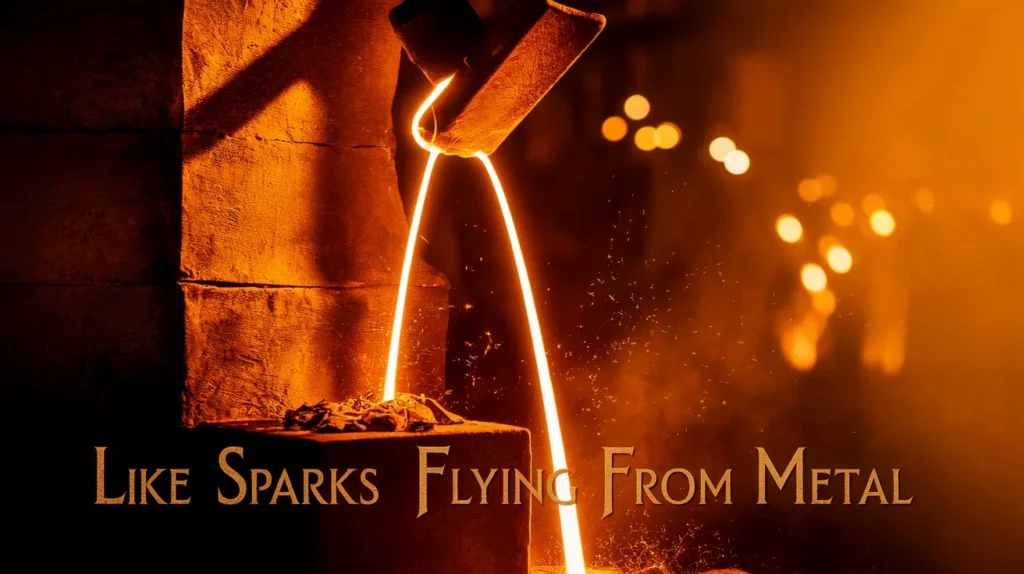
Meaning: Quick flashes of anger.
Usage Insight: Good for brief reactions.
- His temper sparked like sparks flying from metal.
- She reacted like sparks flying from metal.
- The tension felt like sparks flying from metal.
- His anger flashed like sparks flying from metal.
- She snapped like sparks flying from metal.
17. As heavy as a thundercloud
Meaning: Dark, looming anger.
Usage Insight: Ideal for building tension.
- His anger felt as heavy as a thundercloud.
- She looked as heavy as a thundercloud.
- The silence grew as heavy as a thundercloud.
- His mood stayed as heavy as a thundercloud.
- She waited as heavy as a thundercloud.
18. Like a blade cutting through silence
Meaning: Sharp, sudden anger.
Usage Insight: Effective in dialogue.
- His words cut like a blade cutting through silence.
- She spoke like a blade cutting through silence.
- The tension felt like a blade cutting through silence.
- His anger struck like a blade cutting through silence.
- She reacted like a blade cutting through silence.
19. As wild as a forest fire
Meaning: Uncontrolled, spreading anger.
Usage Insight: Great for emotional chaos.
- His anger spread as wild as a forest fire.
- She reacted as wild as a forest fire.
- The crowd grew as wild as a forest fire.
- His temper burned as wild as a forest fire.
- She argued as wild as a forest fire.
20. Like a drum beating in fury
Meaning: Rhythmic, building anger.
Usage Insight: Good for internal emotions.
- His heart pounded like a drum beating in fury.
- She felt like a drum beating in fury.
- The tension built like a drum beating in fury.
- His anger rose like a drum beating in fury.
- She reacted like a drum beating in fury.
21. As bitter as burning smoke
Meaning: Harsh, lingering anger.
Usage Insight: Works well in emotional reflection.
- His anger tasted as bitter as burning smoke.
- She spoke as bitter as burning smoke.
- The moment felt as bitter as burning smoke.
- His tone was as bitter as burning smoke.
- She reacted as bitter as burning smoke.
22. Like chains snapping under pressure
Meaning: Breaking point anger.
Usage Insight: Best for climactic moments.
- His patience broke like chains snapping under pressure.
- She reacted like chains snapping under pressure.
- The tension cracked like chains snapping under pressure.
- His anger burst like chains snapping under pressure.
- She snapped like chains snapping under pressure.
23. As intense as the midday sun
Meaning: Strong and unavoidable anger.
Usage Insight: Good for emotional focus.
- His anger felt as intense as the midday sun.
- She glared as intense as the midday sun.
- The moment burned as intense as the midday sun.
- His reaction was as intense as the midday sun.
- She spoke as intense as the midday sun.
24. Like a wolf howling in rage
Meaning: Vocal and emotional anger.
Usage Insight: Useful in dramatic writing.
- He shouted like a wolf howling in rage.
- She cried like a wolf howling in rage.
- His anger echoed like a wolf howling in rage.
- The sound felt like a wolf howling in rage.
- She reacted like a wolf howling in rage.
25. As restless as a stormy sea
Meaning: Unsettled, continuous anger.
Usage Insight: Good for inner conflict.
- His anger moved as restless as a stormy sea.
- She felt as restless as a stormy sea.
- The tension stayed as restless as a stormy sea.
- His thoughts churned as restless as a stormy sea.
- She reacted as restless as a stormy sea.
26. Like iron heated in a forge

Meaning: Building, strengthening anger.
Usage Insight: Great for character development.
- His anger grew like iron heated in a forge.
- She reacted like iron heated in a forge.
- The tension built like iron heated in a forge.
- His temper rose like iron heated in a forge.
- She spoke like iron heated in a forge.
27. As tight as a coiled spring
Meaning: Controlled tension and anger.
Usage Insight: Ideal for suspense.
- He stood as tight as a coiled spring.
- She felt as tight as a coiled spring.
- The silence was as tight as a coiled spring.
- His anger held as tight as a coiled spring.
- She reacted as tight as a coiled spring.
28. Like a hammer striking steel
Meaning: Forceful, direct anger.
Usage Insight: Best for strong actions.
- His words hit like a hammer striking steel.
- She reacted like a hammer striking steel.
- The argument sounded like a hammer striking steel.
- His anger fell like a hammer striking steel.
- She spoke like a hammer striking steel.
29. As deep as a rumbling earthquake
Meaning: Powerful, internal anger.
Usage Insight: Great for hidden emotions.
- His anger was as deep as a rumbling earthquake.
- She felt as deep as a rumbling earthquake.
- The tension shook as deep as a rumbling earthquake.
- His silence held as deep as a rumbling earthquake.
- She reacted as deep as a rumbling earthquake.
30. Like a shadow growing darker
Meaning: Slowly intensifying anger.
Usage Insight: Ideal for gradual buildup.
- His anger grew like a shadow growing darker.
- She reacted like a shadow growing darker.
- The tension spread like a shadow growing darker.
- His mood shifted like a shadow growing darker.
- She waited like a shadow growing darker.
How to Use Similes Effectively in Writing
Using similes well can transform ordinary writing into something vivid and memorable. Here are some practical tips:
- Be specific: Choose comparisons that clearly match the emotion or situation.
- Avoid overuse: Too many similes can overwhelm the reader—use them strategically.
- Match tone and context: A dramatic simile works best in emotional scenes, while subtle ones suit reflective writing.
- Use nature imagery: Nature similes (storms, fire, oceans) are powerful because they are relatable and visual.
- Blend naturally: Make sure the simile fits smoothly into the sentence without sounding forced.
- Experiment creatively: Don’t be afraid to invent your own comparisons for originality.
FAQs
1. What are powerful angry similes?
They are comparisons that use “like” or “as” to describe anger in vivid and intense ways, often using imagery from nature or strong forces.
2. What is the difference between a simile and a metaphor?
A simile uses “like” or “as” (e.g., angry like a storm), while a metaphor directly states the comparison (e.g., anger is a storm).
3. Why are similes important in writing?
They make writing more descriptive, emotional, and engaging by helping readers visualize ideas.
4. Can similes be used in academic writing?
Yes, but they should be used carefully and only when they improve clarity or explanation.
5. How can I create my own similes?
Think of a feeling or idea, then compare it to something familiar that shares the same quality.
Conclusion
Powerful angry similes are more than just creative comparisons—they are tools that bring emotion, depth, and clarity to your writing.
By connecting anger to vivid imagery like storms, fire, and wild forces, you allow readers to truly feel the intensity behind your words. Whether you’re crafting poetry, storytelling, or essays, these similes help transform simple language into powerful expression.
Mastering the use of similes will not only improve your writing style but also strengthen your ability to communicate complex emotions with ease. So experiment, explore, and let your words burn as brightly and powerfully as the emotions they describe.