

Similes help language breathe. They allow writers to slow moments down, stretch time, and give readers space to feel what is happening rather than simply observe it.
In figurative language, similes are especially powerful because they connect abstract ideas to familiar images from life and nature.
The best similes for slow are not just about delay or weakness—they often symbolize patience, endurance, wisdom, reflection, and emotional depth.
Slowness can suggest strength that lasts, growth that takes time, and resilience that refuses to rush. From nature similes to literary comparisons, slow movement often carries quiet beauty and meaning.
This article explores rich, original similes that show how slow can be thoughtful, powerful, and deeply human.
What Is a Simile?
A simile is a figure of speech that compares two unlike things using words such as “like” or “as” to create clearer meaning and vivid imagery.
Example: Her progress was slow like a river carving stone, steady and unstoppable.
30 Best Similes for Slow
1. Slow like a glacier inching forward
Meaning: Extremely slow but powerful and persistent.
Usage Insight: Ideal for long-term change or progress.
- The reform moved like a glacier inching forward.
- His recovery was slow like a glacier inching forward.
- Change came like a glacier inching forward through resistance.
- The investigation advanced like a glacier inching forward.
- Trust rebuilt itself like a glacier inching forward.
2. Slow like honey dripping in winter
Meaning: Thick, heavy, and unhurried movement.
Usage Insight: Great for describing physical motion or time.
- Time passed like honey dripping in winter.
- His thoughts moved like honey dripping in winter.
- The day stretched like honey dripping in winter.
- Her reply came like honey dripping in winter.
- The line crawled like honey dripping in winter.
3. Slow like a turtle crossing sand
Meaning: Very slow and deliberate.
Usage Insight: Works well for humor or gentle criticism.
- He walked like a turtle crossing sand.
- Progress felt like a turtle crossing sand.
- The queue moved like a turtle crossing sand.
- The project crawled like a turtle crossing sand.
- The lecture dragged like a turtle crossing sand.
4. Slow like clouds drifting at dusk
Meaning: Calm, gentle slowness.
Usage Insight: Perfect for peaceful or reflective scenes.
- Her thoughts floated like clouds drifting at dusk.
- The afternoon passed like clouds drifting at dusk.
- The boat moved like clouds drifting at dusk.
- His voice slowed like clouds drifting at dusk.
- The evening settled like clouds drifting at dusk.
5. Slow like moss growing on stone
Meaning: Almost unnoticeable but steady growth.
Usage Insight: Ideal for inner change or habits.
- Confidence grew like moss on stone.
- Healing came like moss growing on stone.
- Wisdom forms like moss growing on stone.
- Trust develops like moss growing on stone.
- Character builds like moss growing on stone.
6. Slow like a candle melting

Meaning: Gradual and quiet passage of time.
Usage Insight: Strong for emotional or symbolic writing.
- The night faded like a candle melting.
- His strength drained like a candle melting.
- Time slipped like a candle melting.
- Hope flickered like a candle melting.
- The silence grew like a candle melting.
7. Slow like an old clock ticking
Meaning: Measured, steady, and deliberate.
Usage Insight: Works for routine or inevitability.
- Time moved like an old clock ticking.
- His days passed like an old clock ticking.
- Waiting felt like an old clock ticking.
- The process dragged like an old clock ticking.
- Life unfolded like an old clock ticking.
8. Slow like a river in summer
Meaning: Calm and unhurried flow.
Usage Insight: Excellent for narrative pacing.
- The story moved like a river in summer.
- His thoughts flowed like a river in summer.
- Progress came like a river in summer.
- The boat drifted like a river in summer.
- Time eased like a river in summer.
9. Slow like footsteps in deep snow
Meaning: Careful and effortful movement.
Usage Insight: Ideal for struggle or caution.
- He walked like footsteps in deep snow.
- Progress felt like footsteps in deep snow.
- Decisions came like footsteps in deep snow.
- The climb moved like footsteps in deep snow.
- Recovery felt like footsteps in deep snow.
10. Slow like a leaf falling
Meaning: Gentle and graceful slowness.
Usage Insight: Perfect for emotional or poetic tone.
- Her movement was like a leaf falling.
- Time drifted like a leaf falling.
- The goodbye came like a leaf falling.
- His voice softened like a leaf falling.
- The moment passed like a leaf falling.
11. Slow like dawn breaking
Meaning: Gradual and hopeful progress.
Usage Insight: Strong for new beginnings.
- Change arrived like dawn breaking.
- Understanding came like dawn breaking.
- Hope rose like dawn breaking.
- Peace spread like dawn breaking.
- Healing felt like dawn breaking.
12. Slow like roots growing underground
Meaning: Hidden but essential growth.
Usage Insight: Ideal for development themes.
- Strength grew like roots underground.
- Confidence forms like roots underground.
- Change happens like roots underground.
- Skills develop like roots underground.
- Identity builds like roots underground.
13. Slow like a snail on glass
Meaning: Extremely slow movement.
Usage Insight: Useful for emphasis or humor.
- The line moved like a snail on glass.
- Progress crawled like a snail on glass.
- The meeting dragged like a snail on glass.
- Time felt like a snail on glass.
- The download moved like a snail on glass.
14. Slow like breathing during sleep
Meaning: Natural, calm slowness.
Usage Insight: Perfect for peaceful scenes.
- The room settled like breathing during sleep.
- His thoughts slowed like breathing during sleep.
- The night passed like breathing during sleep.
- Her voice softened like breathing during sleep.
- Time eased like breathing during sleep.
15. Slow like a worn path forming
Meaning: Gradual change shaped by repetition.
Usage Insight: Ideal for habits and routines.
- Habits form like a worn path.
- Trust builds like a worn path.
- Character shapes like a worn path.
- Change comes like a worn path.
- Growth follows like a worn path.
16. Slow like an aging tide
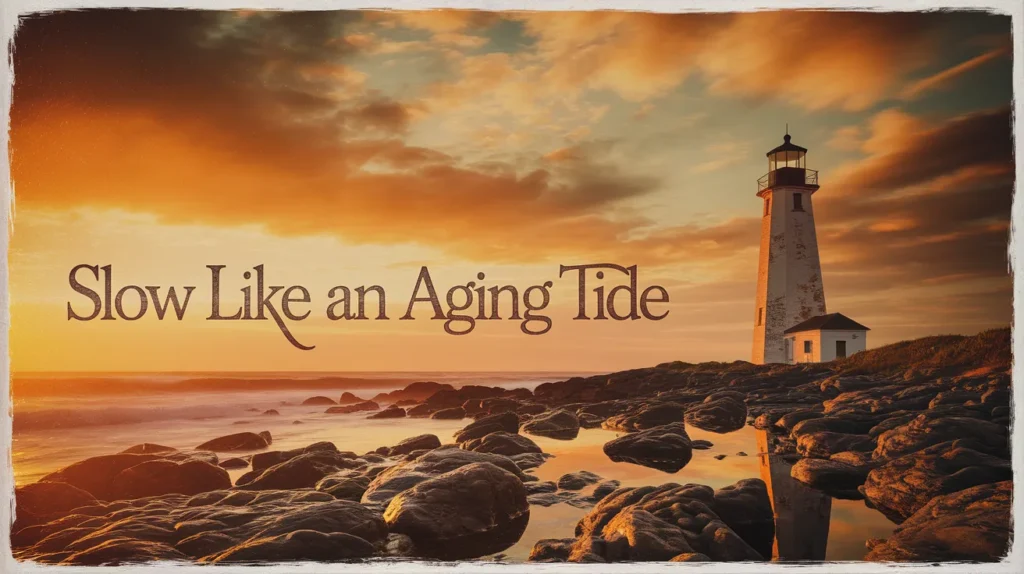
Meaning: Predictable, steady movement.
Usage Insight: Works well for inevitability.
- Time moved like an aging tide.
- Life unfolded like an aging tide.
- Progress came like an aging tide.
- The story flowed like an aging tide.
- Change arrived like an aging tide.
17. Slow like frost spreading overnight
Meaning: Quiet but noticeable change.
Usage Insight: Ideal for subtle shifts.
- Fear spread like frost overnight.
- Silence grew like frost overnight.
- Calm settled like frost overnight.
- Tension crept like frost overnight.
- Understanding spread like frost overnight.
18. Slow like an echo fading
Meaning: Gradual disappearance.
Usage Insight: Strong for endings.
- Anger faded like an echo fading.
- Sound died like an echo fading.
- Memories softened like an echo fading.
- Pain eased like an echo fading.
- The moment passed like an echo fading.
19. Slow like waves on a quiet shore
Meaning: Gentle repetition and calm rhythm.
Usage Insight: Great for reflective writing.
- Thoughts came like waves on a quiet shore.
- Time moved like waves on a quiet shore.
- The music flowed like waves on a quiet shore.
- His breathing matched waves on a quiet shore.
- Peace settled like waves on a quiet shore.
20. Slow like pages turning late at night
Meaning: Thoughtful, unhurried pace.
Usage Insight: Ideal for introspection.
- The night passed like pages turning late at night.
- His thoughts moved like pages turning late at night.
- Time slipped like pages turning late at night.
- The story unfolded like pages turning late at night.
- Silence felt like pages turning late at night.
21. Slow like a seed waiting for spring
Meaning: Patient anticipation.
Usage Insight: Perfect for hope and growth.
- Dreams wait like a seed for spring.
- Change comes like a seed waiting for spring.
- Growth happens like a seed waiting for spring.
- Healing rests like a seed waiting for spring.
- Success grows like a seed waiting for spring.
22. Slow like an old river bending
Meaning: Gradual adaptation.
Usage Insight: Ideal for wisdom and age.
- Life changes like an old river bending.
- Wisdom grows like an old river bending.
- Choices form like an old river bending.
- Time flows like an old river bending.
- Understanding comes like an old river bending.
23. Slow like shadows lengthening
Meaning: Gradual passage of time.
Usage Insight: Strong for visual imagery.
- Evening came like shadows lengthening.
- Time passed like shadows lengthening.
- Fear crept like shadows lengthening.
- Calm grew like shadows lengthening.
- Silence spread like shadows lengthening.
24. Slow like steam rising
Meaning: Gentle, upward motion.
Usage Insight: Works for emotional release.
- Anger lifted like steam rising.
- Thoughts drifted like steam rising.
- Warmth spread like steam rising.
- Stress eased like steam rising.
- Calm grew like steam rising.
25. Slow like an old song fading
Meaning: Gradual ending.
Usage Insight: Ideal for nostalgia.
- The memory faded like an old song.
- The moment passed like an old song.
- Pain softened like an old song.
- Joy lingered like an old song.
- Silence followed like an old song.
26. Slow like a careful brushstroke
Meaning: Intentional slowness.
Usage Insight: Great for craft or art.
- He worked like a careful brushstroke.
- Progress came like a careful brushstroke.
- Change happened like a careful brushstroke.
- Writing flowed like a careful brushstroke.
- Healing moved like a careful brushstroke.
27. Slow like mist rolling in
Meaning: Gradual arrival.
Usage Insight: Perfect for atmosphere.
- Calm arrived like mist rolling in.
- Fear crept like mist rolling in.
- Silence spread like mist rolling in.
- Evening fell like mist rolling in.
- Doubt came like mist rolling in.
28. Slow like time in waiting rooms
Meaning: Dragging, heavy slowness.
Usage Insight: Useful for realism.
- Time moved like time in waiting rooms.
- Minutes stretched like time in waiting rooms.
- The delay felt like time in waiting rooms.
- Hours passed like time in waiting rooms.
- Waiting felt like time in waiting rooms.
29. Slow like footprints filling with sand
Meaning: Gradual disappearance or change.
Usage Insight: Ideal for impermanence.
- Memories faded like footprints filling with sand.
- Anger disappeared like footprints filling with sand.
- Traces vanished like footprints filling with sand.
- Pain softened like footprints filling with sand.
- The past faded like footprints filling with sand.
30. Slow like learning to trust again
Meaning: Careful emotional progress.
Usage Insight: Powerful for human emotion.
- Healing is slow like learning to trust again.
- Love grows like learning to trust again.
- Hope builds like learning to trust again.
- Change comes like learning to trust again.
- Peace arrives like learning to trust again.
How to Use Similes Effectively in Writing
Choose similes that fit your tone and purpose. In poetry, nature similes create beauty and rhythm. In stories, similes slow pacing and deepen emotion.
Essays benefit from clear, restrained comparisons that support ideas. In songs, short and vivid similes enhance emotion and flow.
Always prioritize clarity over cleverness, and let similes serve meaning—not overwhelm it.
FAQs
1. What are the best similes for slow?
They are comparisons that show patience, gradual movement, or calm progression.
2. Are similes and metaphors different?
Yes. Similes use like or as; metaphors state the comparison directly.
3. Can slow similes be positive? Absolutely.
Slowness often represents wisdom, growth, and resilience.
4. Are similes used in academic writing?
Yes, when used sparingly to explain complex ideas clearly.
5. Why are nature similes so common?
Nature offers universal images that readers easily understand.
Conclusion
The best similes for slow remind us that not everything powerful moves fast. Slowness can mean strength, patience, healing, and quiet transformation.
These similes enrich language by adding imagery, emotion, and clarity to simple ideas. When used thoughtfully, they deepen meaning and connect readers to human experience.
In writing, as in life, slow often carries the most lasting impact.